

The Murray Tartan is more than just a patterned fabric; it is a symbol of heritage, identity, and Scottish pride. With its distinctive color scheme and historic significance, the Murray tartan has fascinated fashion enthusiasts, historians, and families alike. From traditional kilts to contemporary design, this tartan carries stories of clans, battles, and celebrations. In this article, we explore the origins, patterns, cultural importance, and modern uses of the Murray tartan, helping readers appreciate its enduring appeal.
Origins of the Murray Tartan
The Murray Tartan traces its roots back to the ancient Scottish clan system. The Clan Murray, prominent in the Highlands, is believed to have worn specific patterns as a symbol of unity and identity. Historically, tartans were more than decorative—they signified family lineage, regional origin, and social status. Over the centuries, Murray tartans evolved, incorporating colors that reflected natural dyes and regional preferences. Today, it remains one of the most recognizable Scottish tartans.
Design and Patterns
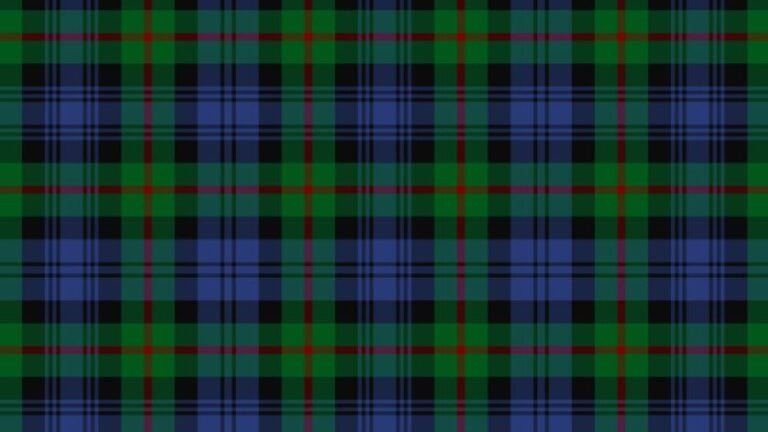
Murray Tartan is characterized by a balanced blend of deep greens, blues, and occasional reds, forming a distinctive crisscrossed pattern. Each color and stripe holds symbolic meaning, often representing local landscapes, clan virtues, or historical alliances. Unlike some modern tartans, the Murray pattern maintains symmetry and classic spacing, making it ideal for traditional attire. The design’s elegance ensures it remains popular for kilts, scarves, and other textile items.
Cultural Significance
Beyond fashion, Murray Tartan embodies Scottish heritage and pride. Clan members often wore the tartan during important gatherings, battles, and ceremonies, reinforcing loyalty and connection. In contemporary culture, it serves as a visual link to ancestry, especially during Highland games, weddings, and cultural festivals. This strong cultural identity keeps the Murray Tarta’n relevant and respected, even in global settings where Scottish diaspora communities celebrate their roots.
Murray Tartan in Fashion
The tartan has seamlessly transitioned from historical attire to modern fashion. Designers incorporate Murray patterns into skirts, jackets, ties, and accessories, blending tradition with contemporary style. Its versatility allows for formal and casual use, making it a popular choice among both heritage enthusiasts and trend-conscious individuals. The Murray Tartan’s enduring appeal lies in its balance between historical richness and fashionable adaptability.
Kilts and Ceremonial Use
Kilts remain the most iconic garment featuring the Murray Tarta’n. Traditionally worn by men during ceremonial events, kilts serve as a proud declaration of clan affiliation. Women’s fashion has also embraced tartan skirts and dresses, often in formal gatherings or cultural showcases. The ceremonial use of Murray Tartan extends to weddings, military regalia, and Scottish dances, underscoring its lasting relevance in both private and public life.
Modern Interpretations
In modern interior design and lifestyle products, Murray Tarta’n has found a new audience. Home textiles such as blankets, cushions, and upholstery now feature tartan patterns, bringing Scottish heritage into everyday spaces. Designers often play with color variations and scale, keeping the tartan visually fresh while respecting its traditional structure. This crossover from clothing to décor highlights the Murray Tartan’s adaptability and timeless charm.
Choosing the Right Murray Tartan
When selecting Murray Tarta’n, it is essential to distinguish between official clan patterns and modern adaptations. Authentic tartans adhere to specific thread counts and color schemes, preserving historical accuracy. Modern versions might experiment with colors or widths, offering versatility for casual wear or home décor. Whether purchasing a kilt or a decorative piece, understanding these nuances ensures respect for tradition while embracing contemporary style.
Caring for Your Murray Tartan
Proper maintenance is crucial to preserve the vibrancy and structure of tartan fabrics. Wool, the most common material, requires gentle washing or dry cleaning. Storing tartan items away from direct sunlight prevents fading, and careful folding avoids permanent creases. Following these practices ensures that Murray Tartan garments and accessories remain in excellent condition, sustaining their cultural and aesthetic value for generations.
Murray Tartan in Global Context
The influence of Murray Tartan extends beyond Scotland, thanks to the Scottish diaspora and global fascination with Celtic heritage. From Canada to Australia, communities celebrate their lineage with tartan-themed events, souvenirs, and fashion statements. International designers often incorporate tartans into global collections, bridging cultural history and modern trends. This worldwide appeal ensures the Murray Tartan remains a symbol of identity and style.
Symbolism and Legacy
Every line and color in Murray Tartan carries meaning. The patterns connect wearers to the clan’s history, symbolizing strength, loyalty, and unity. By wearing or displaying the tartan, individuals honor their ancestors while embracing a broader Scottish narrative. Its legacy is preserved not just in clothing, but in art, literature, and popular culture, making Murray Tartan a living testament to Scottish heritage.
Murray Tartan in Contemporary Lifestyle
Today, the Murray Tartan is more than a clan emblem; it is a lifestyle choice. From fashion enthusiasts to cultural organizations, its use signifies a connection to tradition while embracing modernity. Incorporating Murray patterns into daily life—through clothing, home décor, or accessories—reflects appreciation for history and aesthetic elegance. Its enduring popularity is a reminder of the seamless blend of heritage and modern expression.
Conclusion
Murray Tartan remains an iconic symbol of Scottish identity, offering a unique combination of history, culture, and style. Its rich colors, precise patterns, and cultural significance make it a beloved choice for traditional garments, fashion statements, and interior décor. By understanding its origins and preserving its authenticity, enthusiasts can enjoy the beauty of Murray Tartan while honoring a legacy that spans centuries. Whether in kilts, scarves, or home textiles, this tartan continues to inspire and connect people across the world to Scottish heritage.
FAQs
What is the Murray Tartan?
Murray Tartan is a traditional Scottish fabric pattern associated with Clan Murray, featuring distinctive colored stripes in a crisscross design.
How old is the Murray Tartan?
The tartan dates back several centuries, originating from Scottish Highland clans and evolving through historical traditions.
Can women wear Murray Tartan?
Yes, women wear Murray Tartan in skirts, dresses, and accessories for cultural events or fashion purposes.
Where is Murray Tartan used today?
It is used in kilts, scarves, jackets, home décor, and fashion accessories worldwide, connecting wearers to Scottish heritage.
How do I care for Murray Tartan?
Wool tartan should be dry-cleaned or gently hand-washed, stored away from sunlight, and folded carefully to maintain its shape and color.
