

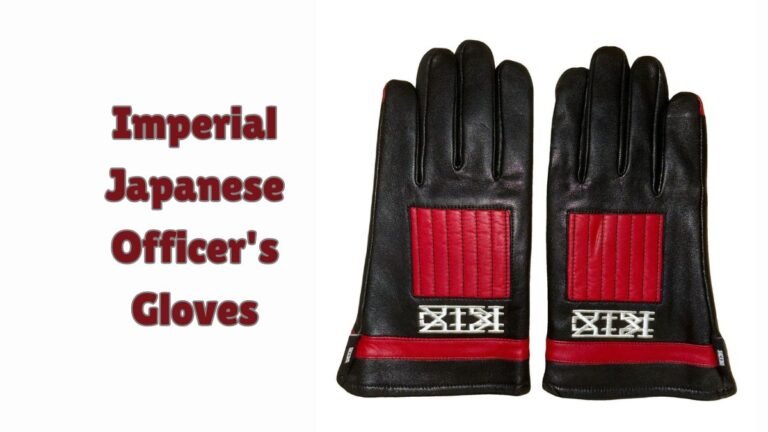
Imperial Japanese officer’s gloves are more than just a piece of military attire; they represent a unique blend of functionality, prestige, and historical significance. Worn by officers in the Imperial Japanese Army and Navy, these gloves were carefully crafted to reflect rank, discipline, and sophistication. Today, they attract historians, collectors, and military enthusiasts who value their craftsmanship and historical context. Understanding these gloves requires examining their design, materials, and the cultural symbolism they carried during Japan’s militaristic era.
Historical Background of Imperial Japanese Officer’s Gloves
Imperial Japanese officer’s glove’s emerged during the late 19th and early 20th centuries as part of Japan’s modernization efforts in military attire. Officers were expected to embody both authority and decorum, and their gloves became a subtle but essential symbol of rank. These gloves were often worn during formal inspections, ceremonies, and strategic meetings, emphasizing discipline and elegance. The evolution of their design reflects Japan’s adaptation of Western military standards while maintaining a distinct cultural identity.
Materials and Craftsmanship
The craftsmanship of imperial Japanese officer’s gloves was meticulous. High-quality leather, often sourced from cowhide or kid leather, was used to ensure durability and comfort. Some gloves featured intricate stitching patterns and reinforced seams, highlighting the skill of Japanese artisans. The design prioritized both aesthetics and functionality, allowing officers to handle weapons or documents without compromising their formal appearance. This careful attention to detail is why these gloves are still highly valued by collectors today.
Design Features and Variations
Imperial Japanese officer’s gloves were not uniform in style. Variations in color, lining, and decoration often indicated the wearer’s branch or rank. For instance, naval officers frequently wore white gloves, while army officers preferred darker shades such as brown or black. Some gloves included subtle embellishments like embroidered insignia or embossed patterns, which signified specific ranks or ceremonial importance. This diversity in design makes them a fascinating subject for historians and collectors alike.
Symbolism and Cultural Significance
Beyond their practical use, imperial Japanese officer’s gloves carried deep cultural symbolism. Wearing gloves denoted discipline, respect, and the officer’s role as a representative of the military state. Gloves also reflected Japan’s broader emphasis on etiquette and formality, aligning with societal norms of the era. Collectors often appreciate these gloves not only for their physical craftsmanship but also for the stories they tell about military culture and societal values in pre-war Japan.
Collecting and Preserving Imperial Japanese Officer’s Gloves
Collectors seeking imperial Japanese officer’s gloves must consider authenticity, condition, and provenance. Original gloves can fetch significant value, especially if associated with a notable officer or period event. Preservation requires careful handling and storage to prevent leather deterioration or damage to lining. Many museums and private collectors display these gloves as part of broader military memorabilia collections, highlighting their historical and aesthetic significance.
Modern Appreciation and Legacy
Today, imperial Japanese officer’s gloves are celebrated as collectible artifacts and symbols of military heritage. They inspire reenactors, historians, and designers interested in military fashion. Auctions and specialized shops offer these gloves to enthusiasts, and their rarity continues to drive interest. By studying these gloves, we gain insight into Japan’s military history, craftsmanship standards, and cultural priorities, bridging the gap between past and present.
Conclusion
Imperial Japanese officer’s gloves remain a remarkable testament to Japan’s military history, artistry, and cultural symbolism. Their detailed craftsmanship, historical context, and ceremonial significance make them highly valued among collectors and historians alike. Understanding these gloves provides a window into the disciplined world of Imperial Japan’s military and highlights the intersection of utility, prestige, and cultural identity. For anyone interested in military collectibles, these gloves are an essential artifact that embodies both elegance and history.
FAQs
What are imperial Japanese officer’s gloves made of?
They were primarily crafted from high-quality leather such as cowhide or kid leather for durability and comfort.
Were there different designs for army and navy officers?
Yes, navy officers often wore white gloves, while army officers preferred darker shades like brown or black.
Why are these gloves considered collectible today?
Collectors value them for their craftsmanship, historical significance, and rarity.
How can one preserve these gloves?
Store them in a cool, dry place, avoid excessive handling, and maintain proper leather care to prevent deterioration.
Did gloves signify rank or status in the military?
Yes, design variations, color, and embellishments often indicated rank, branch, or ceremonial importance.
