

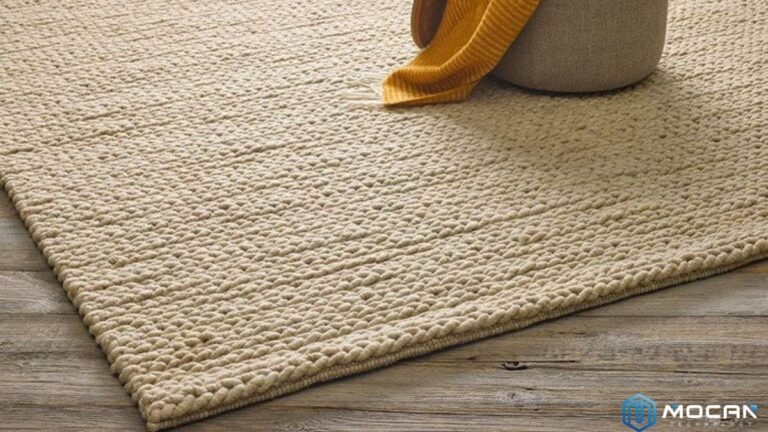
Natural home materials are making a strong comeback, and wool-based products are leading that shift. Among them, wollmatten stand out as a smart, eco-friendly solution for people who value comfort, durability, and sustainability in everyday living. Whether used for insulation, flooring, fitness, or relaxation, these wool mats offer far more than simple cushioning. Their natural structure, thermal properties, and long lifespan make them a favorite choice for modern homes and mindful lifestyles.
This in-depth guide explores what makes wool mats special, how they are used across different settings, and what to look for when buying one. If you want a product that blends function with nature, this article will help you make an informed decision.
What Are Wool Mats?
Wool mats are dense, felted or woven surfaces made from natural sheep wool. The fibers are tightly compressed to form a thick, resilient mat that provides insulation, comfort, and protection. Unlike synthetic alternatives, wool mats regulate temperature naturally and maintain their shape over time.
The growing popularity of wollmatten is closely tied to sustainability trends and the demand for healthier indoor environments. Wool is renewable, biodegradable, and naturally resistant to dirt and bacteria, making it ideal for long-term use.
Why Wool Is a Superior Material
Natural Temperature Regulation
Wool fibers trap air, creating an insulating layer that keeps surfaces warm in winter and cool in summer. This makes wool mats suitable for floors, seating areas, and even sleeping spaces.
Moisture Control
Wool can absorb moisture without feeling damp. This property helps regulate humidity and reduces the risk of mold or unpleasant odors, especially in enclosed spaces.
Durability and Shape Retention
High-quality wool mats bounce back after pressure. Even with regular use, they maintain thickness and structure far longer than foam or synthetic mats.
Eco-Friendly and Renewable
Sheep wool is a natural, renewable resource. Its production requires less energy compared to synthetic fibers, and it decomposes naturally at the end of its life cycle.
Common Uses of Wool Mats
Home Insulation and Flooring
Wool mats are often placed under rugs, tatami-style seating, or directly on hard floors. They add warmth, reduce noise, and create a cozy walking surface.
Yoga, Meditation, and Wellness
In wellness spaces, wool mats provide gentle support for joints while maintaining warmth during floor exercises. Many people prefer them over rubber mats for meditation and stretching.
Sleeping and Relaxation Areas
Some users place wool mats under mattresses or use them for daytime resting. The breathable fibers help regulate body temperature throughout the night.
Baby and Child Areas
Parents appreciate wool mats for play areas because they are soft, chemical-free, and naturally insulating. Wool’s flame-resistant properties also add an extra layer of safety.
How Wollmatten Support a Healthier Home
One major advantage of wollmatten is their contribution to indoor air quality. Wool fibers bind dust particles and allergens, preventing them from circulating in the air. Regular airing or gentle vacuuming keeps the mat clean without harsh chemicals.
Additionally, wool naturally resists bacteria and mites. This makes wool mats suitable for people with sensitivities or those seeking a low-maintenance, hygienic option.
Types of Wool Mats Available
Felted Wool Mats
These are created by compressing wool fibers through heat and moisture. Felted mats are dense, firm, and ideal for insulation or heavy use areas.
Woven Wool Mats
Woven mats have visible patterns and textures. They are often chosen for decorative purposes while still offering comfort and warmth.
Layered Wool Pads
Some wool mats consist of multiple layers stitched together. These provide extra thickness and are commonly used under mattresses or seating cushions.
Choosing the Right Wool Mat
Thickness and Density
Thicker mats provide better insulation and cushioning, while thinner ones are easier to move and clean. Consider where the mat will be used most often.
Wool Quality
Look for mats made from untreated or minimally processed wool. High-quality fibers last longer and retain their natural benefits.
Size and Shape
Measure your space carefully. Wool mats are available in standard sizes, but some suppliers offer custom dimensions for specific needs.
Ethical Sourcing
Many buyers prefer wool sourced from farms that follow ethical animal welfare practices. Certifications or transparent sourcing information add trust and value.
Care and Maintenance Tips
Wool mats are easier to maintain than many people expect. Regular shaking or airing keeps them fresh. Light vacuuming removes surface dust, and spot cleaning with mild soap handles small stains.
Avoid soaking wool mats in water or using harsh detergents. Proper care ensures your mat stays functional and attractive for many years.
Wollmatten vs Synthetic Mats
When comparing wollmatten to synthetic alternatives, several differences stand out. Wool mats regulate temperature naturally, while synthetic mats often trap heat. Wool also adapts to pressure and moisture more effectively.
Synthetic mats may be cheaper upfront, but they often wear out faster and can release microplastics over time. Wool mats offer long-term value through durability, comfort, and environmental benefits.
Sustainability and Environmental Impact
Wool is one of the most sustainable fibers available. Sheep produce new fleece annually, and the material requires minimal chemical processing. At the end of its life, wool breaks down naturally without harming the environment.
Choosing wool mats supports a circular economy and reduces reliance on petroleum-based products. This makes them a responsible choice for eco-conscious households.
Buying Tips for First-Time Users
Before purchasing wollmatten, consider your primary goal. Are you looking for insulation, comfort, or decorative appeal? Understanding your needs helps narrow down thickness, size, and style.
It’s also wise to check return policies and customer reviews. High-quality wool mats often come with satisfaction guarantees, reflecting confidence in their durability.
Conclusion
Wool mats offer a rare combination of comfort, durability, and sustainability. From improving indoor warmth to supporting healthier living spaces, their benefits extend far beyond simple flooring solutions. The natural properties of wool make these mats adaptable, long-lasting, and environmentally responsible.
By choosing wollmatten, you invest in a product that aligns with modern values—quality, wellness, and respect for nature. Whether for home, wellness, or everyday comfort, wool mats remain a smart and timeless choice.
Frequently Asked Questions
What is a wool mat used for?
A wool mat is used for insulation, comfort, and support on floors, seating areas, or sleeping surfaces. It adds warmth and reduces noise naturally.
Is wool safe for people with allergies?
Yes, wool binds dust and allergens, keeping them out of the air. This can improve indoor air quality when properly maintained.
How long does a wool mat last?
With proper care, a high-quality wool mat can last many years. Wool fibers are resilient and recover well from regular use.
Can wool mats be used year-round?
Yes, wool regulates temperature effectively, keeping surfaces warm in winter and cool in summer.
Do wool mats require special cleaning?
No special cleaning is needed. Regular airing and light vacuuming are usually sufficient for maintenance.
Are wool mats environmentally friendly?
Wool is renewable, biodegradable, and energy-efficient to produce, making wool mats an eco-friendly choice.
