

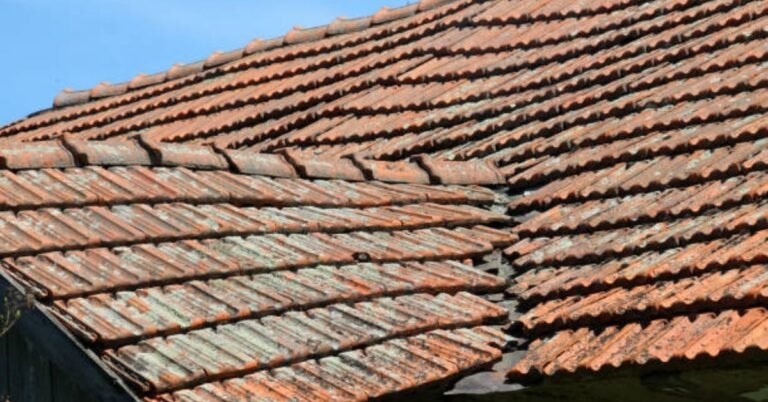
Timely roof replacement is essential for preventing minor issues from snowballing into major structural and financial crises. When the warning signs are ignored or dismissed, deferred maintenance can result in higher repair bills, loss of insurance coverage, and even safety hazards for occupants. Nevertheless, a combination of personal priorities, logistical obstacles, and unpredictable circumstances leads many homeowners to hit the pause button. Significant challenges—ranging from rising insurance premiums and tightening financial budgets, to construction material supply shortages and unpredictable weather patterns—regularly intersect to complicate the roofing replacement process. Recognizing how these problems weave together can help homeowners make informed decisions and avoid costly mistakes.
Maintaining the roof is one of the most crucial, yet frequently overlooked, tasks for any homeowner. The roof is the first line of defense against the elements, playing a vital role in ensuring a property’s safety, integrity, and long-term value. Despite its importance, roof replacement is often postponed, sometimes for years, as homeowners wrestle with various emotional, financial, and practical reasons. Many people hesitate to schedule repairs, upgrade to more durable materials, or even delay contacting roof replacement services in Charlotte, NC, until warning signs—such as visible leaks or storm damage—make action unavoidable. By understanding the complex factors that influence these delays, homeowners are better equipped to plan effectively, limit long-term costs, and safeguard their home’s value for the future.
Financial Constraints
Cost remains the most significant reason for postponing roof replacement, and it’s an obstacle that affects nearly every homeowner at some point. Installing a new roof is a major investment, with average replacements costing between $5,000 and $12,000, depending on the size of the home, the type of materials selected, and regional labor rates. Prices can easily escalate well beyond the national average for those who desire premium options, such as metal roofing or energy-efficient shingles. These expenses are often not planned for in family budgets, leaving homeowners to choose between financing options, tapping into savings, or postponing the upgrade altogether. What complicates matters further is the simultaneous rise in homeowners’ insurance premiums. Nationally, insurance rates have surged 21% since 2015, according to data, and in high-risk states like Florida and Texas, some residents have seen their premiums jump by more than 40%. This dual financial burden—juggling the prospects of a costly repair and swelling insurance fees—frequently encourages families to delay roof work, sometimes until major leaks or visible damage make intervention unavoidable. In a time of economic uncertainty, when many are focused on paying everyday bills or managing debts, expensive, non-urgent maintenance can easily drop to the bottom of the list.
Lack of Awareness
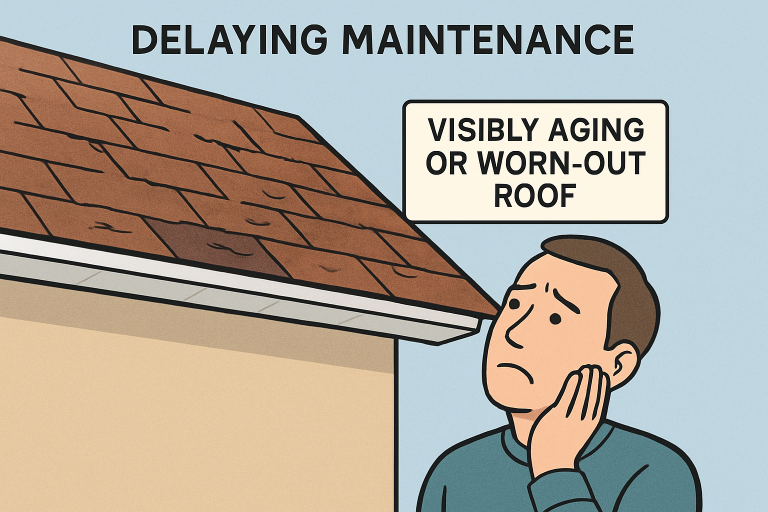
Another key factor driving delays in roof replacement is a general lack of awareness about the true condition of the roof overhead. Unlike a leaky faucet or faulty appliance, roofing issues often develop out of sight, progressing quietly over time. A 2024 survey revealed that more than half of American homeowners failed to inspect their roofs for damage or deterioration the previous year because they underestimated the importance, lacked the knowledge to assess their roof, or overlooked routine maintenance while managing their busy lives. As a result, warning signs such as cracked or curling shingles, clogged gutters, or small leaks may go unnoticed until damage becomes extensive. Left unchecked, what begins as a minor repair can escalate into widespread water intrusion, mold growth, and even threaten the home’s structural safety. Many homeowners simply don’t realize there’s an issue until the situation becomes critical, by which point the costs and complexity of repairs have grown significantly. Encouraging more regular roof inspections can help reverse this trend and save money in the long run.
Permit and Inspection Issues
Every roof replacement project is subject to local regulatory requirements, including building permits and post-installation inspections. While designed to ensure safety and proper construction, these requirements can be time-consuming and often frustrate homeowners unfamiliar with the process. In certain areas, such as California and other densely populated cities, the permitting process can involve copious paperwork, strict guidelines, and extended wait times that leave schedules in limbo. Sometimes, processing backlogs, confusing building codes, or a lack of communication between city departments can stretch the timeline by several weeks or even months. These bureaucratic hurdles can create significant uncertainty for homeowners who are eager to move forward—or are dealing with urgent repairs after a storm. There’s always the risk of a project stalling after demolition has already begun, exposing the home to the elements and increasing stress for everyone involved. Proper planning and working with experienced contractors familiar with local regulations can help streamline this process, but delays can become a powerful deterrent to timely roof replacement.
Unforeseen Structural Damage
Many homeowners are surprised when contractors uncover hidden issues beneath the old roofing during the replacement process. Problems such as rotten wooden decking, mold, insect infestations, or previously undetected water damage require immediate attention and often lead to unanticipated repair expenses. These discoveries can also extend the project timeline and force some homeowners to reassess their budgets or financing options midway through the work. The fear of encountering such unexpected setbacks—whether from their own experience or stories relayed by friends and neighbors—often causes homeowners to put off tackling replacement. Some worry about opening a costly “can of worms,” and believe it may be easier, at least in the short term, to ignore potential problems until they become absolutely unavoidable. This avoidance can backfire, leading to more costly repairs in the future, but the psychological barrier remains significant for many households.
Material Shortages and Delivery Delays
Supply chain issues have become a routine challenge in the roofing industry, especially following global disruptions caused by the COVID-19 pandemic and natural disasters. Shortages in key materials—such as shingles, underlayment, and specialty tiles—can leave homeowners in a holding pattern, sometimes for months, waiting for items to arrive or become available in their area. Those seeking high-demand colors, unique textures, or energy-efficient roofing products may face longer delays as manufacturers prioritize more common items. Regional crises, such as hurricanes or wildfire rebuilding booms, can intensify material shortages, forcing suppliers to allocate resources according to urgency or contract terms, and stalling routine replacements. The Wall Street Journal highlighted how these broader supply chain disruptions cause industry-wide bottlenecks and impact homeowners seeking timely repairs—adding yet another layer of unpredictability to roof replacement projects.
Contractor Scheduling Conflicts
The availability and reliability of roofing contractors play a critical role in when—and how quickly—a roof replacement can take place. Demand for skilled professionals tends to spike after severe weather events, such as hail or wind storms, resulting in long waiting lists and competition for the best-rated contractors. Labor shortages, previously delayed jobs, or emergencies can throw off planned schedules even during quieter periods. Homeowners may find that their preferred contractor is booked for weeks or months ahead, and relying on lesser-known companies can come with risks related to experience or quality of work. In some regions, the shortage of experienced roofers is an ongoing challenge aggravated by an aging workforce and insufficient new trainees, forcing projects to be postponed simply due to a lack of available hands. These scheduling conflicts leave homeowners vulnerable to worsening roof problems while waiting for appointments. In some cases, the delays can even overlap with periods of adverse weather, compounding the risks to their property.
Weather Conditions
The weather has a substantial and sometimes unpredictable impact on roof replacement projects. Roofing is inherently outdoor work, and requires dry, temperate conditions for safety and the effective installation of materials. Rain, snow, high winds, or extreme heat all pose dangers to crews and threaten the integrity of the new roof before it’s even complete. Even if a project is scheduled with a clear forecast, sudden shifts—such as unseasonable storms or prolonged wet periods—can cause work stoppages, increase costs, and extend project timelines by weeks. In regions known for volatile or extreme weather patterns, planning for a replacement often means buffering in extra time and accepting that delays may be unavoidable. The New York Times has reported on how weather disrupts schedules and can lead to labor shortages as workers avoid hazardous conditions, further exacerbating the challenges homeowners face in getting timely repairs.
Conclusion
Delaying roof replacement introduces your home to a range of escalating risks, including water intrusion and structural deterioration to decreased property value and insurance complications. Understanding the primary causes of these delays—from financial and regulatory hurdles to supply chain breakdowns and weather-related setbacks—empowers homeowners to take proactive steps in their home maintenance routines. By consulting certified roofing professionals, scheduling regular inspections, and preparing for potential obstacles ahead of time, homeowners can avoid costly surprises and more effectively safeguard their most important investment. Prompt action protects your home and brings invaluable peace of mind for years to come.
