

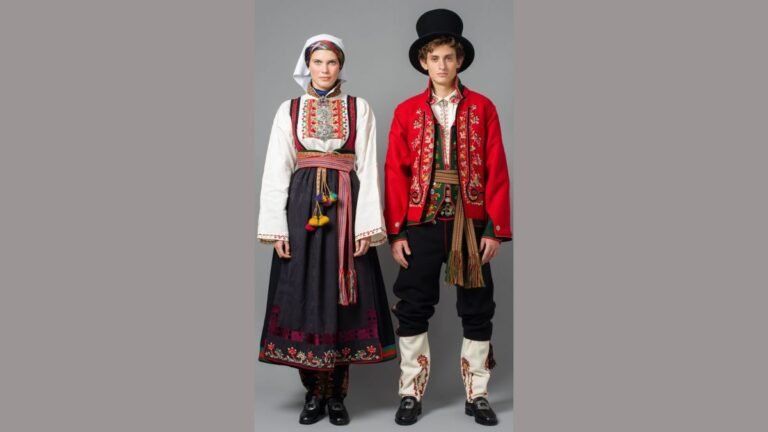
Italy is a country where fashion meets history, and nowhere is this more evident than in its traditional clothing. Each region tells a story through the fabrics, colors, and designs worn by its people. From the rolling hills of Tuscany to the coastal villages of Sicily, traditional Italian attire reflects centuries of cultural heritage. These garments are more than clothing; they are living symbols of Italy’s artistic, social, and historical identity. Understanding them gives a deeper appreciation for Italian culture beyond the famous runways and modern fashion.
The Historical Roots of Italian Traditional Clothing
Italian traditional clothing has evolved over centuries, influenced by trade, conquests, and regional climates. During the Renaissance, wealthy families in cities like Florence and Venice wore elaborate outfits crafted from silk and velvet. In contrast, peasants in rural areas relied on durable wool and linen. Each piece often carried symbolic meaning, indicating social status, occupation, or marital status. Even today, historical garments are celebrated during festivals, maintaining a tangible link to Italy’s past.
Regional Variations Across Italy
Italy’s traditional clothing is remarkably diverse, reflecting the country’s varied geography and cultural history. In the northern regions, such as Trentino-Alto Adige, outfits feature layered skirts, embroidered vests, and woolen cloaks designed for colder climates. Southern Italy favors lighter fabrics and vibrant colors, often adorned with intricate lacework or gold-thread detailing. Sardinia, in particular, is renowned for its colorful costumes, which are still worn during religious festivals and local celebrations. These regional distinctions make Italian traditional attire a fascinating study of local identity.
Signature Elements of Italian Folk Costumes
Certain elements recur across Italian traditional clothing, giving it a distinctive charm. Corsets, aprons, and shawls are common in women’s wear, often paired with ornate jewelry that signals cultural pride. Men’s traditional outfits may include fitted jackets, wide-brimmed hats, and linen shirts. Embroidery plays a key role, with patterns passed down through generations, each telling a story or representing a family or village symbol. The careful craftsmanship highlights Italy’s dedication to artistry and attention to detail.
The Role of Festivals and Celebrations
Festivals across Italy are a living museum of traditional clothing. During events such as Carnevale in Venice or the Palio di Siena in Tuscany, participants don historical costumes that date back hundreds of years. These celebrations not only preserve cultural heritage but also provide an immersive experience for visitors. Traditional clothing becomes more than attire; it serves as a bridge between the past and present, keeping regional customs alive in modern society.
Modern Influence and Revival
While modern fashion dominates Italy today, there has been a resurgence of interest in traditional clothing. Designers often draw inspiration from folk costumes, incorporating embroidery, lace, and regional patterns into contemporary collections. Artisan workshops dedicated to producing authentic garments are gaining popularity, ensuring that these traditions are not lost. This blend of history and innovation allows Italians to honor their roots while embracing modern style.
Preserving Italian Clothing Heritage
Preservation of traditional clothing is essential for cultural identity. Museums, cultural associations, and local artisans play a crucial role in maintaining these historical garments. Educational programs and exhibitions encourage younger generations to understand the craftsmanship behind each piece. By valuing traditional clothing, Italy safeguards a unique aspect of its history and ensures that future generations can appreciate the artistry and symbolism woven into every outfit.
Conclusion
Traditional clothing in Italy offers a window into the country’s rich history and diverse culture. Each garment tells a story of a region, a family, or a century-old tradition. From the intricate embroidery of the north to the vibrant colors of the south, these costumes reflect Italy’s artistic heritage and social history. Embracing and preserving these traditional outfits is more than a fashion statement—it is a celebration of identity, craftsmanship, and timeless elegance.
FAQs
What is traditional clothing in Italy?
Traditional clothing in Italy refers to regional garments that reflect local culture, history, and social customs.
Why is Italian traditional clothing important?
It preserves cultural heritage, showcases craftsmanship, and represents centuries of regional identity.
Are traditional Italian costumes still worn today?
Yes, they are worn during festivals, religious ceremonies, and special cultural events.
How do Italian regional costumes differ?
Northern regions favor layered fabrics and embroidery, while southern areas prefer light, colorful garments with lace details.
Can traditional Italian clothing influence modern fashion?
Absolutely, many designers integrate patterns, embroidery, and styles inspired by traditional garments into contemporary collections.
