

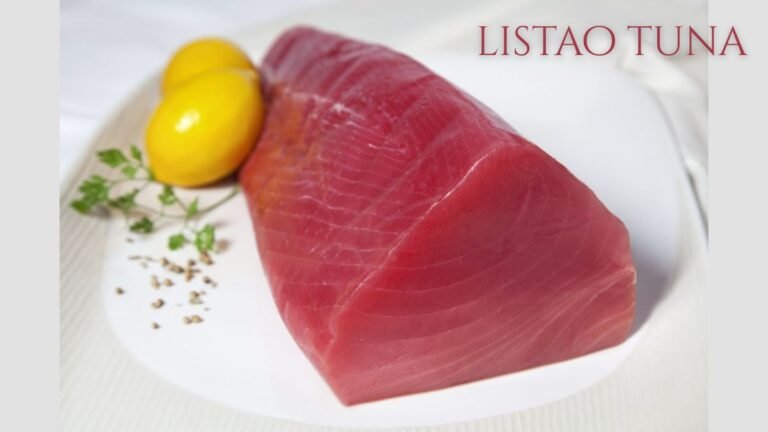
Seafood plays a vital role in global diets, and tuna stands at the center of that demand. Among the different tuna species consumed worldwide, listao tuna holds a unique position due to its availability, nutritional value, and importance in commercial fishing. Known for its firm texture and rich taste, this species supports both everyday meals and large-scale food industries.
As consumers become more conscious about sustainability, protein intake, and food sourcing, understanding this tuna variety becomes increasingly important. This article offers a complete, easy-to-understand guide covering its biology, nutritional profile, fishing methods, culinary uses, and economic significance. Whether you are a food enthusiast, a health-conscious eater, or someone involved in the seafood trade, this guide delivers reliable, well-researched insights designed to outperform competing resources.
What Is Listao Tuna?
Scientific Background
Listao tuna is scientifically known as Katsuwonus pelamis. It belongs to the Scombridae family and is commonly referred to as skipjack tuna in English-speaking regions. It thrives in warm and temperate oceans, particularly in the Pacific, Atlantic, and Indian Oceans.
Physical Characteristics
This species is medium-sized compared to other tuna varieties. It has a streamlined body, dark blue to purple coloration on the back, and distinctive horizontal stripes along its belly. These features make it easily recognizable in commercial catches.
Habitat and Distribution
Global Ocean Presence
This tuna species is widely distributed across tropical and subtropical waters. It prefers surface-level swimming zones, which makes it more accessible to fisheries compared to deep-water species.
Migration Patterns
Highly migratory by nature, these fish travel in large schools. Their movement is influenced by water temperature, food availability, and ocean currents. This migratory behavior plays a significant role in global fishing strategies.
Nutritional Value and Health Benefits
Rich Protein Source
Listao tuna provides high-quality lean protein, making it an excellent choice for athletes, fitness enthusiasts, and individuals aiming for balanced nutrition. Protein helps with muscle repair, immune support, and overall body function.
Essential Vitamins and Minerals
It contains important nutrients such as vitamin B12, niacin, selenium, and phosphorus. These nutrients support brain health, energy metabolism, and strong bones.
Omega-3 Fatty Acids
This tuna variety is naturally rich in omega-3 fatty acids, which help reduce inflammation, support heart health, and improve cognitive function. Regular consumption can contribute to long-term wellness when eaten in moderation.
Culinary Uses Around the World
Popular in Canned Products
One of the main reasons listao tuna is globally consumed is its suitability for canning. Its firm flesh holds texture well during processing, making it ideal for ready-to-eat products.
Traditional Dishes
In many Asian and Pacific cuisines, this fish is used in soups, grilled dishes, and dried preparations. In Japan, it is often processed into flakes used as seasoning.
Modern Cooking Applications
Chefs value its mild yet savory taste. It can be grilled, pan-seared, or added to salads, pasta, and rice bowls. Its versatility makes it a staple in both home kitchens and restaurants.
Fishing Methods and Industry Practices
Common Fishing Techniques
Purse seine fishing is the most widely used method for catching this species. Pole-and-line fishing is another method, often preferred for its lower environmental impact.
Commercial Importance
This species represents a major share of the global tuna catch. Its affordability and high demand make it a backbone of the canned seafood industry.
Employment and Economy
Millions of people worldwide depend on tuna fishing and processing for their livelihoods. Coastal communities, especially in developing regions, benefit economically from this trade.
Sustainability and Environmental Impact
Stock Status
Compared to other tuna species, listao stocks are generally considered more stable. However, overfishing risks still exist if not properly managed.
Sustainable Fishing Efforts
Many organizations promote responsible fishing practices, including certified sustainable fisheries and reduced bycatch methods. Consumers increasingly look for eco-labels when purchasing tuna products.
Consumer Responsibility
Choosing sustainably sourced products helps protect marine ecosystems and ensures long-term availability of this important food source.
Comparison With Other Tuna Species
Skipjack vs Yellowfin
Skipjack grows faster and matures earlier than yellowfin, making it more resilient to fishing pressure. Yellowfin, however, is often larger and used for fresh cuts.
Skipjack vs Albacore
Albacore has lighter flesh and higher fat content, while skipjack is darker and leaner. Each has distinct culinary and nutritional advantages.
Storage and Shelf Life
Fresh Storage
When fresh, this fish should be stored at low temperatures and consumed quickly to maintain quality and safety.
Canned Shelf Stability
Canned products can last several years when stored properly, making them convenient for households and emergency food supplies.
Cultural and Global Significance
Role in Food Security
In many regions, especially island nations, this tuna species provides an affordable and accessible protein source.
International Trade
Countries such as Thailand, Indonesia, and the Philippines are major exporters, supplying global markets with processed tuna products.
Conclusion
Listao tuna plays a crucial role in global nutrition, food security, and the seafood economy. Its rich nutritional profile, affordability, and versatility make it a preferred choice for consumers and industries alike. From traditional recipes to modern convenience foods, this tuna species continues to meet growing global demand.
By understanding its origins, benefits, and sustainability challenges, consumers can make informed choices that support both personal health and marine conservation. Whether enjoyed fresh or canned, listao tuna remains a dependable and valuable seafood option for households around the world.
Frequently Asked Questions
What is listao tuna commonly called?
It is commonly known as skipjack tuna and is widely used in canned and processed seafood products.
Is listao tuna healthy to eat regularly?
Yes, it is nutritious and rich in protein and omega-3 fatty acids when consumed in moderation.
How is listao tuna different from other tuna types?
It is smaller, leaner, and more abundant compared to species like bluefin or yellowfin.
Is listao tuna safe for children?
It generally contains lower mercury levels than larger tuna species, making it a safer option when properly sourced.
Can listao tuna be eaten fresh?
Yes, it can be grilled, cooked, or used in traditional dishes, though it is most commonly consumed canned.
Is listao tuna sustainable?
When caught using responsible methods, it is considered one of the more sustainable tuna options available.
