

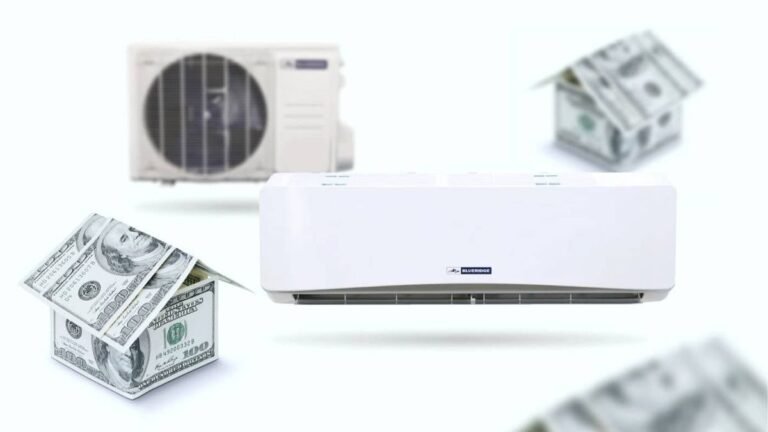
Understanding Mini Split Systems
Mini split systems, also known as ductless air conditioners, have grown increasingly popular due to their energy efficiency and flexibility. Unlike traditional HVAC systems that rely on ducts to circulate air, mini splits use individual indoor units connected to an outdoor compressor. This design allows for customized temperature control in different rooms, making them ideal for homes, offices, and spaces where traditional ductwork is impractical.
A key advantage of a mini split system is its energy efficiency. Because it eliminates ductwork, which often causes energy loss, mini splits can reduce electricity bills significantly. They are also quieter compared to window units or central air systems, offering a more comfortable and unobtrusive cooling and heating experience. Understanding these benefits is crucial before embarking on mini split installation.
Preparing for Mini Split Installation
Before attempting a mini split installation, careful planning is essential. The first step involves evaluating the space to determine the ideal placement of both indoor and outdoor units. The indoor unit should be installed high on a wall for efficient airflow and even temperature distribution. Meanwhile, the outdoor unit should be positioned in a well-ventilated area, away from direct sunlight and obstructions, to ensure optimal performance and longevity.
Electrical requirements are another important consideration. Most mini split systems require a dedicated circuit with the proper voltage to operate safely. Homeowners should review their electrical panel capacity and, if necessary, consult a licensed electrician to avoid overloading circuits. Additionally, planning for proper drainage is critical, as mini split units generate condensation during operation. Installing a reliable drain line helps prevent water damage and mold growth.
Step-by-Step Mini Split Installation Process
Mini split installation may seem complex, but following a step-by-step approach can simplify the process and ensure a safe setup. Begin by mounting the indoor unit bracket securely on the wall. Use a level to make sure it is straight, as uneven installation can affect performance and drainage. Next, drill a hole through the wall for the refrigerant lines, electrical wiring, and drainage pipe. This hole should slope slightly downward toward the exterior to facilitate proper drainage.
The outdoor unit is then placed on a stable, level surface, such as a concrete pad or sturdy mounting brackets. Proper clearance around the unit is essential to maintain airflow and reduce the risk of overheating. Connect the refrigerant lines between the indoor and outdoor units, ensuring all connections are tight and leak-free. Electrical connections should be made following the manufacturer’s specifications and local building codes.
After connecting the refrigerant lines and electrical wiring, vacuum the lines to remove air and moisture, which can affect system efficiency. Once the system is evacuated and checked for leaks, release the refrigerant and test the unit’s operation. Confirm that the indoor unit blows cool or warm air as intended, and check for unusual noises or vibrations. Proper testing at this stage ensures the system is ready for long-term use.
Common Challenges in Mini Split Installation
While mini split installation is straightforward for professionals, some common challenges can arise for DIY installers. One frequent issue is improper line routing. Bending refrigerant lines too sharply or leaving them exposed can reduce efficiency and risk damage. Another challenge is inadequate electrical setup, which may cause frequent tripping of breakers or even permanent damage to the unit.
Drainage problems are also common during installation. If the condensate line is not correctly sloped or clogged, water can accumulate inside the unit or wall, leading to mold growth and structural damage. Lastly, indoor unit placement can affect comfort. Units placed near heat sources, windows, or obstructed walls may not distribute air evenly, reducing system efficiency. Awareness of these challenges can help homeowners plan a more successful mini split installation.
Tips for a Successful Mini Split Installation
A few strategic tips can significantly improve the mini split installation process. First, always follow the manufacturer’s instructions closely. Each brand and model has specific requirements, and adhering to them can prevent system malfunctions. Second, plan for proper airflow by keeping the indoor unit away from large furniture or appliances that may block air circulation.
Third, ensure electrical connections are safe and meet local code requirements. Hiring a licensed electrician may seem like an added cost, but it ensures the system operates safely and efficiently. Fourth, consider insulating refrigerant lines, particularly in regions with extreme temperatures, to prevent energy loss and maintain system performance. Lastly, periodic maintenance, such as cleaning filters and checking connections, keeps the mini split system running smoothly for years after installation.
Costs and Considerations
The cost of mini split installation varies based on factors such as system size, brand, number of indoor units, and labor costs. On average, a single-zone mini split can cost between $1,500 and $3,500, including installation, while multi-zone systems may range from $3,000 to $7,000 or more. Although the upfront cost may seem high, the long-term energy savings and comfort benefits often outweigh the initial investment.
Additional considerations include local building codes, permits, and warranty coverage. Many manufacturers require professional installation for the warranty to remain valid, so DIY installations may void coverage. Checking local regulations ensures that the installation meets safety and efficiency standards.
Maintenance After Mini Split Installation
Proper maintenance is essential to extend the life of a mini split system. Regularly cleaning or replacing filters helps maintain airflow and indoor air quality. Inspecting refrigerant lines and electrical connections periodically can prevent leaks and electrical failures. Additionally, keeping the outdoor unit clear of debris, leaves, and snow ensures consistent performance.
Scheduling professional maintenance annually can also help identify potential issues before they become major problems. This includes checking refrigerant levels, testing electrical components, and verifying overall system efficiency. With routine maintenance, a mini split system can provide reliable cooling and heating for over a decade.
Comparison of Mini Split Systems
| Feature | Single-Zone Mini Split | Multi-Zone Mini Split | Traditional HVAC |
| Ductwork Required | No | No | Yes |
| Installation Complexity | Moderate | High | High |
| Energy Efficiency | High | Very High | Moderate |
| Room-Specific Control | Yes | Yes | Limited |
| Upfront Cost | $1,500–$3,500 | $3,000–$7,000+ | $4,000–$10,000+ |
The table above highlights why mini split installation is a preferred choice for many homeowners. The flexibility, energy efficiency, and room-specific temperature control make mini splits a practical and cost-effective alternative to traditional HVAC systems.
Conclusion
Mini split installation offers an efficient, flexible, and cost-effective solution for heating and cooling modern homes and offices. With proper planning, careful placement, and adherence to manufacturer instructions, homeowners can enjoy comfortable indoor climates while reducing energy costs. Whether opting for a single-zone or multi-zone system, understanding the installation process, potential challenges, and ongoing maintenance requirements ensures long-lasting performance. By investing in professional guidance and regular upkeep, a mini split system becomes a reliable and environmentally friendly solution for year-round comfort.
FAQs About Mini Split Installation
What is mini split installation?
Mini split installation is the process of setting up a ductless heating and cooling system, which includes mounting indoor units, connecting refrigerant lines, and placing the outdoor compressor for efficient climate control.
How long does mini split installation take?
On average, a single-zone system takes 4–6 hours for professional installation, while multi-zone systems may require one to two days, depending on complexity and site conditions.
Can I install a mini split myself?
While DIY installation is possible, it requires technical knowledge of refrigerant handling, electrical work, and proper unit placement. Professional installation is recommended to ensure safety and warranty coverage.
What maintenance is needed after installation?
Maintenance includes cleaning or replacing filters regularly, checking refrigerant lines, clearing debris around the outdoor unit, and scheduling annual professional inspections to maintain efficiency.
How much does mini split installation cost?
Costs vary depending on system size, zones, and labor. Single-zone systems typically range from $1,500 to $3,500, while multi-zone systems can cost $3,000 to $7,000 or more.
Is mini split installation energy efficient?
Yes, mini splits are highly energy-efficient because they eliminate ductwork, allow room-specific control, and use advanced inverter technology to reduce electricity consumption.
